Commercial Challenges in Museums: What Museums can learn from Visitor Attractions
Introduction
Museums are at a crossroads. Across the United Kingdom, Europe, and beyond, traditional funding sources are under strain, even as audiences return post pandemic, budgets are tightening or being cut. In the United Kingdom, local authority spending on museums fell by nearly 37 per cent in real terms from 2010 to 2023, and many museum directors warn they need at least a 10 to 20 per cent funding boost just to stand still, yet few expect government support to fill the gap. Some councils are scrapping museum funding entirely, prompting experts to argue that new funding models are the only way to survive.
At the same time, public expectations of museums are evolving. Visitors, especially younger generations, seek interactive and memorable experiences rather than passive halls of artefacts. Museums are increasingly challenged to be not just repositories of heritage but vibrant spaces of awe, emotion, and entertainment. This thought leadership piece explores how embracing immersive and entertaining experiences can secure museums futures, generating new revenue streams while deepening public engagement.
We examine emerging commercial models such as ticketed immersive exhibits, interactive attractions, escape room games, and four dimensional theatres. Crucially, we discuss how to integrate these innovations without sacrificing curatorial trust or educational integrity. The goal is a win win, museums that captivate audiences and achieve financial resilience and preserve their mission in a changing world.
Funding Challenges Demand New Approaches
It is no secret that cultural institutions face severe funding challenges today. In the United Kingdom, the Museums Association describes the civic museum sector as facing an existential crisis as local councils under financial distress slash arts and heritage budgets. Several local museums have been forced to close or consider drastic cutbacks after losing core public funding. Sharon Heal, Director of the Museums Association, notes that many councils are making difficult decisions to cut museum services due to budget deficits.
This trend is not isolated. A 2024 Art Fund survey found that two thirds of United Kingdom museum directors anticipate funding shortfalls despite rising visitor numbers. Public funding simply is not keeping pace, and in England, local authority support for museums fell by approximately 37 per cent in real terms over the past decade. One leader commented, nothing is affordable on current levels of public funding and that is not going to change in the next ten years, so museums have to do something different.
Across Europe, similar patterns emerge. Many museums rely on government subsidies that are stagnating or being reallocated. Inflation and rising operating costs further squeeze budgets. Even regions with ambitious new museum ventures, such as those in the Middle East, now face questions about long term financial sustainability once initial state investment recedes.
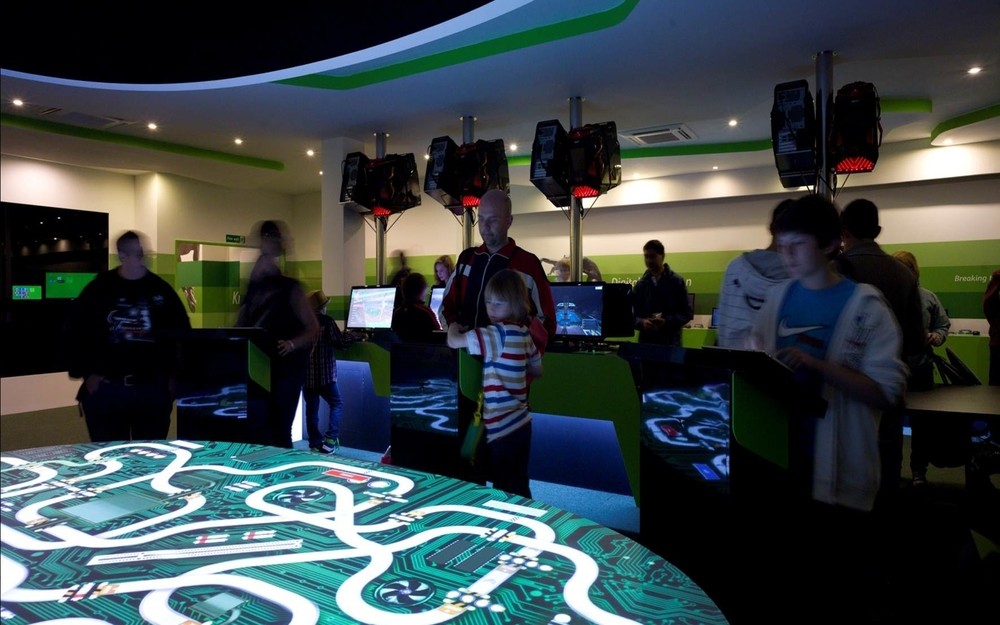
This financial context coincides with shifting audience expectations. Visitors today have a world of leisure and learning available at their fingertips, from theme parks and immersive art shows to rich digital media. They come to museums seeking not only facts but experiences. Traditional exhibits with static displays and lengthy labels may no longer captivate audiences used to interactive and cinematic environments. To stay relevant and grow attendance, museums are reimagining themselves as experiential destinations.
Over the past two decades, many museums have increased their earned income through shops, cafes, ticketed events, and blockbuster exhibitions. Now, the next step is to borrow more from the world of visitor attractions and create environments that entertain, inspire awe, and invite active participation while still delivering insight. As experience design specialists note, experiences need to engage, immerse and entertain in a world of increasing commercial pressure. Museums therefore are increasingly exploring learnings from visitor attractions and deepening the entertainment factor.
From Artefacts to Attractions, The Rise of Immersive Museums
Museums worldwide are already experimenting with formats that would once have been unthinkable in traditional galleries. Instead of simply displaying artefacts behind glass, leading institutions are curating integrated experiences that use narrative, sensory design, and digital media to place visitors inside historical moments or artistic worlds.
Research suggests that engaging multiple senses and emotions creates stronger memories and deeper connections for visitors. Immersive exhibits can make history feel lived, art feel alive, and science feel tangible. Digital art experiences such as Van Gogh Alive surround audiences with towering projections, soundtracks, and animated motion, drawing millions globally and proving widespread demand for emotionally powerful cultural encounters.
These experiences are no longer limited to private promoters. Major museums have incorporated large scale digital installations into their programming. The Indianapolis Museum of Art developed a dedicated media space for immersive shows. The Louvre co produced a multisensory Mona Lisa themed exhibition. The Los Angeles County Museum of Art has hosted vast projection based installations by contemporary artists. These formats provide new commercially viable models for engagement and income.
One advantage of immersive digital shows is that once developed, they can be toured or replicated, often at high margins due to the use of public domain imagery for classic art. Ticket prices are frequently significant, and visitor numbers strong, making them a compelling addition to museum programming.
New Commercial Models, Beyond the White Cube
Immersive art is only one example. A broader set of experience driven models is emerging across the museum sector, transforming how museums attract visitors and generate sustainable revenue. Below we explore several such models, ranging from large scale theatrical experiences to gamified adventures, all of which forward thinking museums are adopting to remain both culturally vital and financially resilient.
Themed Immersive Attractions
Some museums are now creating permanent experience attractions with ambitions comparable to those found in established visitor attractions. In your revised version, the original reference to the Imperial War Museum has been replaced by the National Maritime Museum in Greenwich, which is a suitable alternative example.
The National Maritime Museum in Greenwich has commissioned a major new attraction planned for launch in the coming years. Rather than a traditional exhibition, it will be a multi sensory and cinematic journey designed to transport visitors into defining moments of maritime history. Using advanced technology, theatrical set design, atmospheric effects, and creative storytelling, audiences will feel as though they are stepping into the world of historic seafarers and witnessing events from the perspective of those who lived them.
The Museum emphasises that this is not a re enactment but an experience rooted in emotional impact and educational value. Its intention is to foster empathy and understanding by blending authentic source material with imaginative interpretation. Working in partnership with immersive experience designers, the attraction is expected to operate on a ticketed, timed entry model similar to paid special exhibitions. Such attractions provide year round visitor draw and can be strong candidates for corporate sponsorship or philanthropic partnership.
Institutions across the sciences and natural history sectors have already used planetariums, simulators, and special effects theatres to great effect. History and art museums are now taking inspiration from those approaches. The essential condition is that these attractions remain rooted in accurate and meaningful content so that they educate while they entertain.
Four Dimensional Films and Theatres
Four dimensional cinemas have become a successful subcategory of immersive attractions. These theatres screen short films enhanced by physical effects such as vibration, water mist, atmospheric haze, sound movement, and the emergence of props or scenic elements, providing an intensified emotional connection with the material.
An influential example remains the Beyond All Boundaries experience at the National WWII Museum in New Orleans. This 35 minute four dimensional film uses archival material, powerful audio, moving seats, special lighting, and atmospheric effects to create a visceral interpretation of the historical narrative. It has run continuously since 2009 and continues to receive strong visitor feedback.
The success of such theatres lies in their ability to operate frequently and consistently without requiring large staff numbers, making them operationally efficient. They also offer scope for rotating new content, which can motivate repeat visitation. While technically sophisticated, they remain aligned with museums missions by using sensory immersion as a tool for deeper engagement.
Science centres and children’s museums have been early adopters, presenting four dimensional films about dinosaurs, space exploration, ecosystems, and other popular subjects. Sponsorship from corporate partners is common, and the experiences often support increased spending in associated retail and food outlets.
Immersive Spaces and Interactive Galleries
Beyond major attractions, museums are increasingly transforming core galleries into immersive environments that prioritise narrative flow and multisensory stimulation. This approach can include:
cinematic projection integrated among real artefacts
responsive lighting and soundscapes
hands on interactives
digital interpretation woven throughout
architectural scenography that shapes visitor journeys
A leading example is the National Museum of Qatar, conceived as an immersive one and a half kilometre museum walk that tells the story of the nation through environments that blend real objects with panoramic digital scenes.
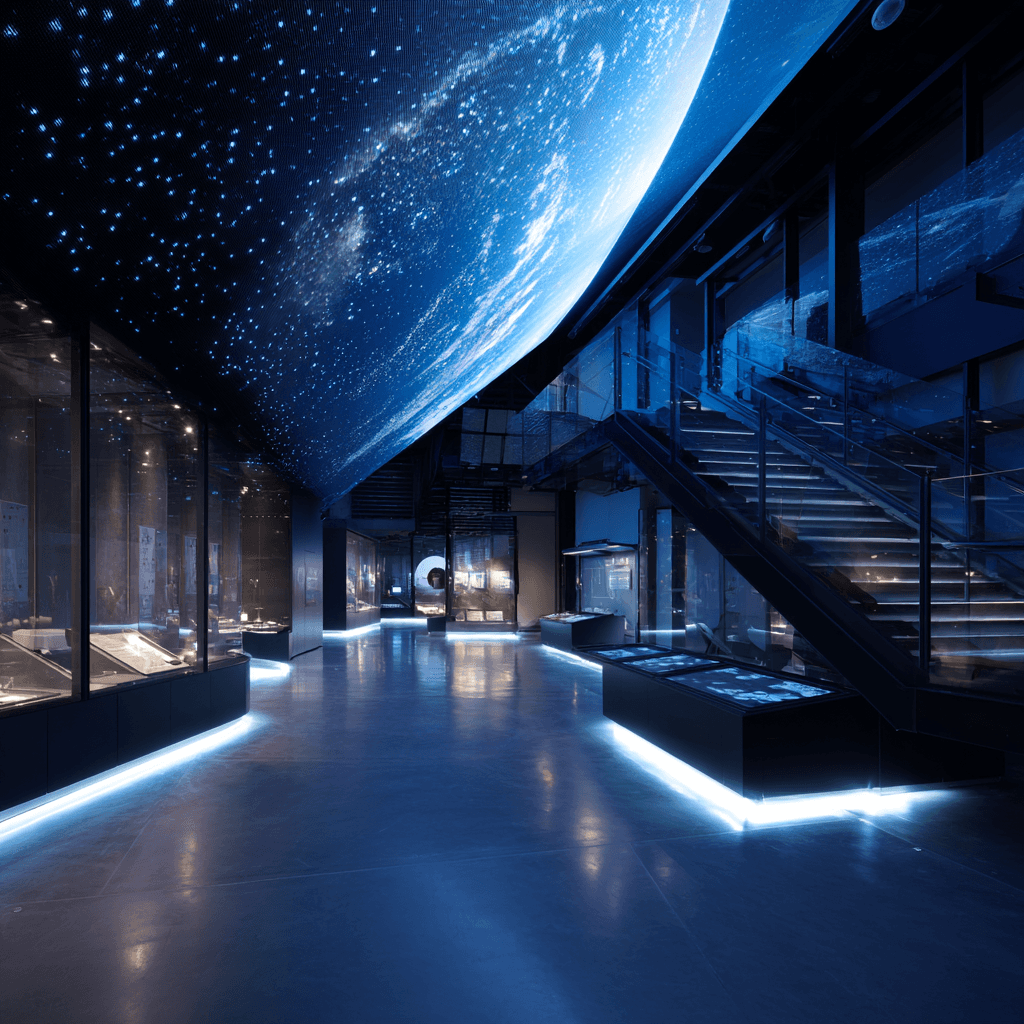
The Museum of the Future in Dubai offers a more extreme example. Rather than traditional displays, it features fully immersive environments, each floor presenting a different future scenario, from a space station to a digital rainforest. The Museum integrates interactive technologies, virtual and augmented reality, and participatory installations. This model positions the Museum as a major attraction for tourists while fulfilling its educational remit.
These approaches reflect an increasing recognition that visitors seek active and emotionally resonant experiences. Immersive galleries enable museums to deliver complex stories in ways that are intuitive and memorable.
Escape Rooms and Gamified Tours
Immersive games are rising in popularity across the museum sector. Escape rooms, puzzle trails, and mystery solving experiences appeal to younger audiences, families, and groups seeking active engagement rather than passive observation.
A widely cited example is the Rijksmuseum in Amsterdam, which partnered with game designers to create an escape room that transformed its historic galleries into an investigative adventure. Running for nine weeks, it attracted more than ten thousand participants, 90 per cent of whom came specifically for the game. The concept required players to explore artworks and architectural features to solve clues, which encouraged deeper looking and more time spent with collections.
Gamified experiences are now being used for after hours events, corporate team building sessions, and special ticketed evenings. Museums in the United Kingdom and the United States have run murder mystery nights, augmented reality quests, and scavenger hunts, often generating additional revenue during periods that would otherwise be quiet.
These experiences help museums reposition themselves as social and participatory spaces. They also demonstrate that interactive fun can coexist with accuracy, education, and curatorial responsibility.
Immersive Temporary Exhibits and Pop Ups
Temporary immersive exhibits are increasingly being used to attract both new and returning visitors. These can include:
virtual reality experiences
holographic theatre
projection based storytelling
immersive rooms
sensory installations
Pop up exhibits leverage urgency, novelty, and FOMO, encouraging immediate ticket purchases. Museums such as the Smithsonian National Museum of Natural History and London’s Natural History Museum have experimented with projection features, virtual reality adventures, and interactive theatrical science shows.
Temporary installations also allow museums to test new formats without long term capital investment. Successful experiences can tour to other institutions or be expanded into permanent attractions.
In the 2024 to 2025 Art Fund survey, 95 per cent of United Kingdom museums reported plans for temporary exhibitions, illustrating the central role of dynamic programming in current museum strategy.
Maintaining Curatorial Trust in an Immersive Era
The rise of immersive and entertainment oriented experiences has prompted criticism regarding potential Disneyfication, trivialisation of content, and prioritisation of spectacle over scholarship. These concerns are important, and many museums are proactively addressing them by embedding strong curatorial principles into experiential design.
Content First, Technology Second
Effective immersive projects begin with research, historical accuracy, and interpretive clarity. Technology is applied only in service of narrative and learning goals. For example, the National Maritime Museum’s new attraction grounds its experience in authentic personal accounts, historical sources, and maritime records before integrating sensory effects.
Collaborative, Cross Disciplinary Teams
Immersive exhibitions require skills drawn from theatre, game design, interactive media, and architecture. Museums are therefore collaborating more extensively with external specialists and building in house experiential teams. The collaborative approach ensures that artistic creativity and curatorial insight remain aligned.
Clear Learning Outcomes
Immersive experiences can support deeper understanding when learning goals are explicit. Some museums now use emotional and qualitative metrics, such as interviews or memory recall studies, to assess impact. Research shows that visitors often retain information more effectively when they experience a narrative rather than read it.
Balancing Spectacle with Reflective Space
Not every part of a museum should be high energy or technologically intense. Successful institutions design a balance of immersive environments and quiet areas for contemplation, ensuring that traditional modes of appreciation remain available.
Immersive and Entertaining Experiences as a Lifeline for Sustainability
Immersive approaches directly support museum sustainability:
Premium ticketing revenue from special exhibitions and attractions
Increased dwell time leading to higher retail and food spending
New sponsorship and partnership opportunities
Repeat visitation through rotating immersive programmes
Strengthened relevance to policymakers and tourism boards
Museums that demonstrate strong visitor appeal and engagement are better positioned to secure future funding and support.
Conclusion, Curating Experiences to Secure the Future
The museum sector’s move towards immersive and entertaining experiences marks a significant evolution. It offers a pathway to financial resilience while enriching learning through emotional engagement and sensory storytelling. When grounded in authenticity and curatorial integrity, immersive experiences strengthen, rather than dilute, the mission of museums.
The museum of the future will not abandon scholarship. Instead, it will combine rigorous research with innovative presentation to create memorable adventures that deepen public understanding and encourage lifelong engagement.
Sources
Museums Association, Closures loom as funding crisis worsens for local museums [4] [5], December 2024, reporting on cuts to local museum funding across the United Kingdom.
The Art Newspaper, Museums in the firing line as United Kingdom council funding crisis bites [3] [7] [2] [50], March 2024, analysis of financial pressures and new operating models for cultural institutions.
NEMO, Network of European Museum Organisations, Two thirds of United Kingdom museum directors warn of funding shortfalls [1] [55], June 2024 report summary analysing sector wide financial risks.
Populate, Joshua Murton, Reinventing the Museum, The Next Ten Years of Experiential Interpretation [12] [54], insight article exploring future trends and the merging of immersive design with curatorial practice.
Populate, How museums can use technology to create immersive experiences [11], commentary regarding the role of mixed reality and spatial technologies in museums and the balance between immersion and scholarly trust.
Populate, Press Release, announcement of a major museum immersive project [23] [56], describing the creative approach, research process, and partnership model behind the new attraction.
Artnet News, Investors Pouring Funds Into Immersive Art Experiences such as Van Gogh [13] [16] [17], June 2022, detailing commercial growth in digital art experiences and investor confidence in immersive culture.
Artnet News, Immersive Van Gogh trend and museums adopting similar models [19] [21], 2022, coverage of how museums are incorporating projection based art experiences into programming strategies.
Wonderful Museums, Van Gogh Museum Atlanta, Unpacking the Immersive Experience [14] [18], commentary on educational impact, emotional engagement, and public response to immersive art.
Wonderful Museums, Disneyfication of Art [37] [38], critique examining spectacle driven experiences and the importance of maintaining gravitas in cultural storytelling.
MuseumNext, Unlocking Curiosity, Rijksmuseum Escape Room Experience [32] [34] [53], September 2024, case study exploring design, audience impact, and engagement outcomes from the museum’s puzzle based experience.
Wikipedia, Beyond All Boundaries, National WWII Museum four dimensional film [26], overview of technical effects, production approach, and visitor impact.
Barco, Customer Story, Museum of the Future [29] [30], 2022, describing how immersive audiovisual technologies shape the Museum’s environmental storytelling.
National Museum of Qatar, About the Galleries [28], outlining the narrative and immersive architectural approach of the Museum.
MuseumNext, Unlocking Curiosity and related interviews [33] [35] [40] [41], detailing collaborative innovation in museum gaming experiences.
University of California, Berkeley, Escape room for families teaches fundamentals of evolution [45], research evaluating learning outcomes from museum based escape room design.
World Experience Organisation, The Economics of Immersive [48] [51], analysis of spending patterns in location based entertainment and repeat visitor behaviours.
Populate, Why Brand Homes Matter and How to Win Stakeholder Buy In [49], exploring audience engagement, brand experiences, and social media sharing.
Wikimedia Commons, Van Gogh immersive exhibit imagery [57], open access image resource for projection based digital art displays.
Wikimedia Commons, Museum of the Future interior and exterior photography [58] [59], architectural visual references.